Four words the trade uses precisely
An edition is every copy printed from one setting of type. A printing, or impression, is one run through the press from that setting. An issue is a group of copies within an edition that a publisher deliberately altered, for instance by changing the title page. A state is a variation that happened during printing without intent, such as a corrected typo part way through the run.
When a collector says “first edition” they mean the first printing of the first edition, in its earliest issue and state. When a publisher prints “First edition” on the copyright page of the ninth printing, they are using the word in its literal sense, and the copy is worth the same as any other reprint.
Why the first printing is the one
Scarcity and proximity. The first printing is the smallest run and the one that existed when the book was new and unproven. Harry Potter and the Philosopher’s Stone had a first hardback printing of 500 copies in 1997, most of which went to libraries. Later printings of the same “first edition” ran to hundreds of thousands. One sells for tens of thousands of pounds, the other for the price of a paperback.
How to tell the printing
Publishers signal the printing in different ways, and the conventions changed over time.
| Signal | What to look for |
|---|---|
| Number line | A row such as 10 9 8 7 6 5 4 3 2 1. The lowest number present is the printing. A 1 means first. |
| Statement | “First published 1953” with no later dates listed beneath it. Any “Reprinted 1954” means a reprint. |
| Publisher’s code | Some houses used letters or their own codes. Reference guides list them. |
| Date match | The date on the title page matches the copyright date, on older books. |
| Points of issue | Known errors or features present only in the first printing. |
Number lines came into general use in the second half of the twentieth century. Before that, a statement of printing history or its absence is what you have, and the reference guides for each author record the points.
Points of issue
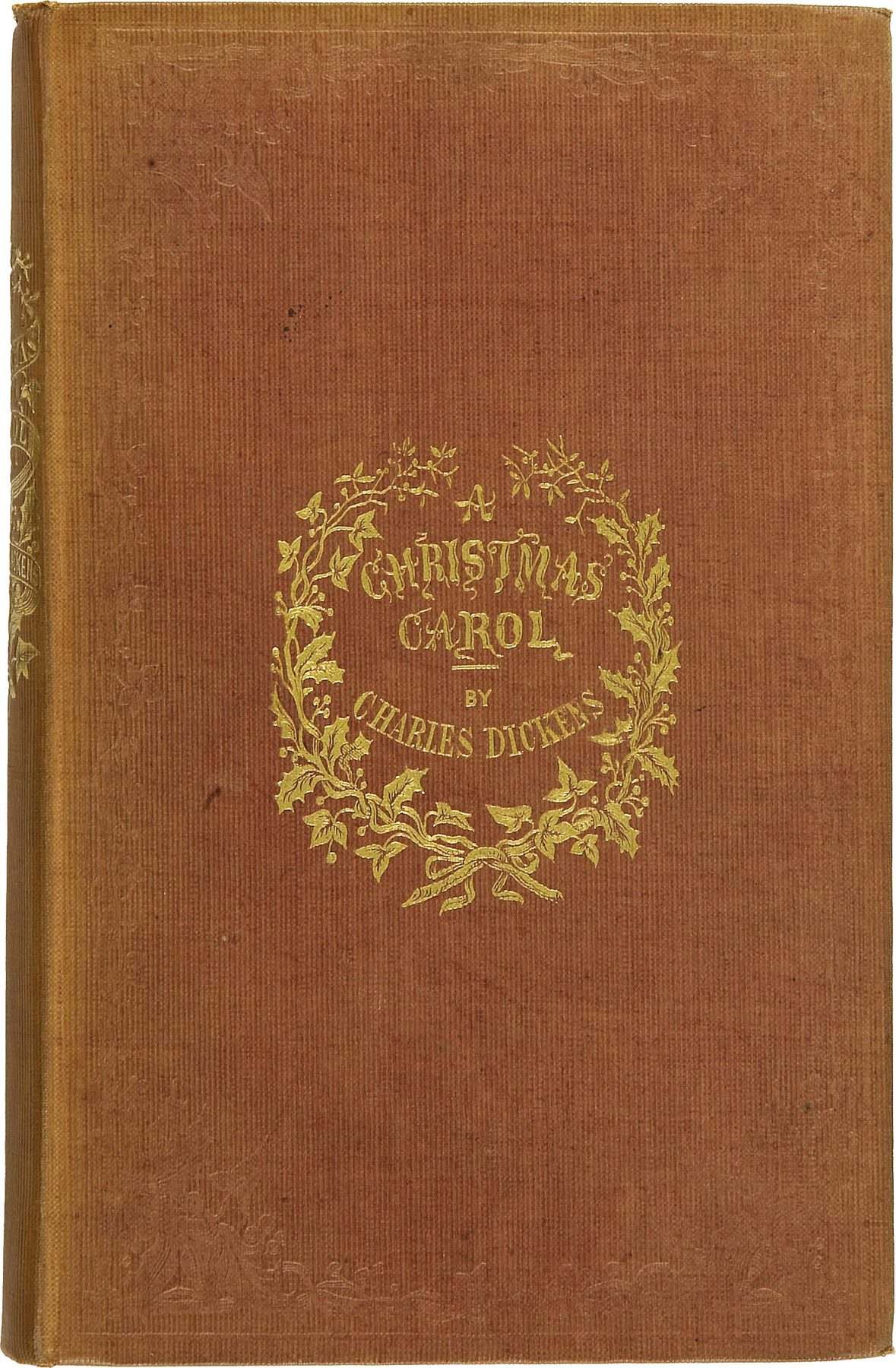
A point is a detail the first printing has and later ones do not. A Christmas Carol in its first issue has the heading “Stave I” rather than “Stave One”, a title page printed in red and blue, and green endpapers. The 1997 Philosopher’s Stone lists “1 wand” twice in the equipment list on page 53 and credits “Joanne Rowling” on the copyright page. Points are what separate a £200 copy from a £20,000 one, and every serious author has a published list of them.
Book club editions and other traps
Book club copies are printed for members, are marked with a club device or a blank where the price should be, and have no value to collectors. Ex-library copies carry stamps and pockets and sell at a heavy discount. Later printings with a first-printing dust jacket, or the reverse, are called “married” copies and are priced as the lesser part.
What this means for a shelf of inherited books
Work through the shelf with the copyright pages open. Set aside anything with a number line ending in 1, a “first published” statement with no reprints, or a date match on an older book. Then check the what makes a book valuable guide for the other half of the answer: condition, jacket and demand.