
Free guides to British silver hallmarks, antiques and prices
Know what you're holding.
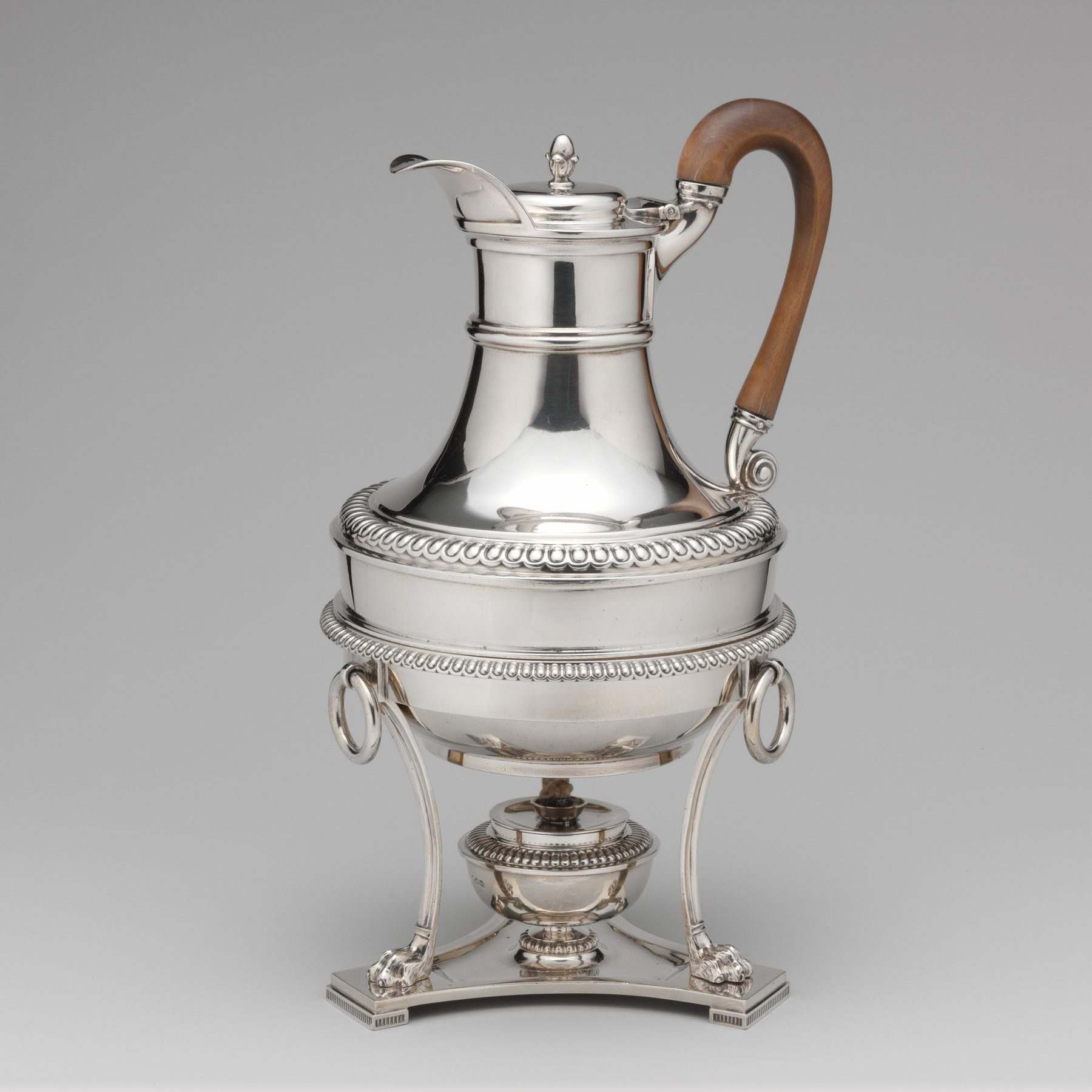
Paul Storr, hot water jug, London 1807. The Metropolitan Museum of Art, open access.
Plain guides to the marks, makers and prices behind the things people inherit, find and collect. Checked against the assay offices, the Royal Mint and HMRC, and free to read.
A silver hallmark has four parts. Read them in this order:
I have a piece. Where do I start?
Read a mark
Silver carries small stamped marks. Pick the ones you can see and the tool tells you the metal, the town, the year and the maker.
Look up what I have
Each category has its own guides and recent sale prices.
See what things sell for
Example auction prices by category, with the estimate beside the hammer. Illustrative for now, until partner saleroom results replace them.
Want a valuer to look at it?
Send photographs of one item and a saleroom specialist will tell you what it is and what it should make. Free, and no obligation to sell.
Guides to begin with
All guides
Silver · 8 min read
How to read British silver hallmarks
Four punches, read left to right, tell you what the metal is, where it was tested, when, and who made it. This guide walks through each one with real pieces.
Silver · 6 min read
Solid silver or plate? Six tests you can do at the kitchen table
Most inherited "silver" is plated. Six ways to tell if silver is real, what EPNS and A1 actually mean, and what a house full of plate is worth.
Books · 5 min read
First edition or first printing? The difference that moves the price
"First edition" on a copyright page does not mean what sellers think. What the trade means by edition, impression, issue and state, and where the money goes.
Probate · 5 min read