The order of events
Value, then sort, then sell, then clear.
A clearance firm is paid to empty a house quickly, and it sets its price against what it expects to sell from the load. Anything of value that goes on the van is sold by them, not by the estate.
The probate guide explains why the record matters to the executor. This guide is about what to pull out first, and it takes an afternoon.
Probate clearance has its own timetable
Nothing needs to leave the house until probate is granted, and executors are not obliged to accept the first offer for anything. GOV.UK sets out the executor’s duties, which include establishing what the estate is worth before it is dispersed.
| Stage | What can happen | What cannot |
|---|---|---|
| Before the grant | Photograph, value, insure, set items aside | Sell and distribute the proceeds |
| Waiting for the grant | Get free saleroom opinions, book a valuer | Let a clearance firm take the contents |
| After the grant | Consign, sell, distribute, clear | Undo any of it |
Insurance on an empty house is the practical constraint rather than probate. Most insurers require notice once a property has stood empty for 30 days, and many restrict cover after that. Thirty days is enough time to do everything in this guide properly.
Room by room
| Where | What to set aside | Why |
|---|---|---|
| Sideboard and kitchen drawers | Cutlery and serving pieces with a lion passant. Boxed plated canteens | Solid silver has a metal floor; plate sells for the box |
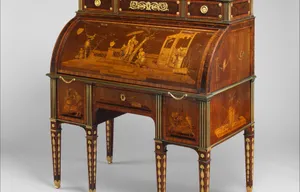
| Bureau and bedside table | Jewellery, watches, medals, coins, stamps, fountain pens, cameras, papers | The highest value per cubic inch in the house |
| Bookcase | First printings, signed copies, jackets, illustrated, travel, science, natural history | Two or three books on a shelf carry all of its value |
| Walls | Signed pictures, old labels or gallery stamps on the back, watercolours in old frames | The frame is sometimes worth more than the picture. Keep both |
| Living room | Named furniture makers, Ercol, G Plan, Scandinavian, anything Georgian | Mid-century design has a strong market; brown furniture does not |
| Display cabinet | Moorcroft, Clarice Cliff, Poole, Troika, Whitefriars, Doulton character jugs | Marks on the base decide it. Turn everything over |
| Wardrobes | Designer clothing, hats, handbags, textiles, uniforms, furs | Named handbags and 1960s design sell; the rest does not |
| Loft, garage, shed | Tools by known makers, boxed toys, vintage luggage, advertising signs, postcards | The least looked at part of the house, and the one that pays |
| Garden | Staddle stones, troughs, statuary, cast iron seats | Garden antiques are stolen from empty houses more than anything else |
Militaria and uniforms belong with the medals. Photographs and letters belong with whatever they document, because provenance adds money to an object and nothing to a box.
What genuinely has no value
Knowing this saves a week, and saves an executor from storing things nobody will buy.
Mass-market china and glass without a maker. Reader’s Digest books and encyclopaedias. Silver-plated trophies with engraved dedications. Three-piece suites and divan beds of any age. Pine and melamine furniture. Modern reproduction “antique” furniture. Boxed commemorative plates and collector’s-club figurines bought new. Fitted kitchen appliances. Anything with a fabric that has lived in a smoking household.
Brown furniture, meaning ordinary Victorian and Edwardian mahogany and oak, sells at a general saleroom for very little, and a wardrobe costs more to move than it makes.
The photographs that get a free opinion
Photograph everything set aside, in daylight, with a close-up of the marks. A valuer working from a phone needs four things per item.
- The whole object, square on, against a plain background.
- The underside or the back, where the marks are.
- A close-up of any mark, signature, label or hallmark, filling the frame.
- Something for scale, a coin or a ruler, in one shot.
Send those to two auction houses. The valuation form is one of them; a local saleroom that will come out to the house makes a good second. They give a free opinion on whether each item is worth consigning, and on what the rest of the house is worth as a job lot.
This costs nothing, takes a week, and is the difference between a clearance fee and a cheque.
Dealing with the clearance firm
Get a written quote that states what will be removed, what they will pay or charge, and what happens to anything they decline.
| Ask this | Why |
|---|---|
| Is this a charge, a payment, or an offset? | Firms work all three ways and the quote should say which |
| What is the value you have put on the saleable contents? | It tells you what they expect to make from the load |
| Does the price include the loft, the garage and the garden? | Most quotes exclude all three |
| Will you remove carpets, curtains and white goods? | Disposal costs, and the reason quotes vary |
| Are you a licensed waste carrier? | Fly-tipped estate contents come back to the executor |
Do not let anyone look round and make an offer for the lot before the valuation is done. A single figure for a house is the mechanism by which the two good things in it are bought for nothing.
Book the van for after the saleroom has collected rather than before, because the quote changes once the saleable contents have gone. The estate auctions guide covers what a saleroom takes from a house and what it leaves.
Anything the auction house declined can go on the van with a clear conscience. That is the point of the week spent asking.
The two things
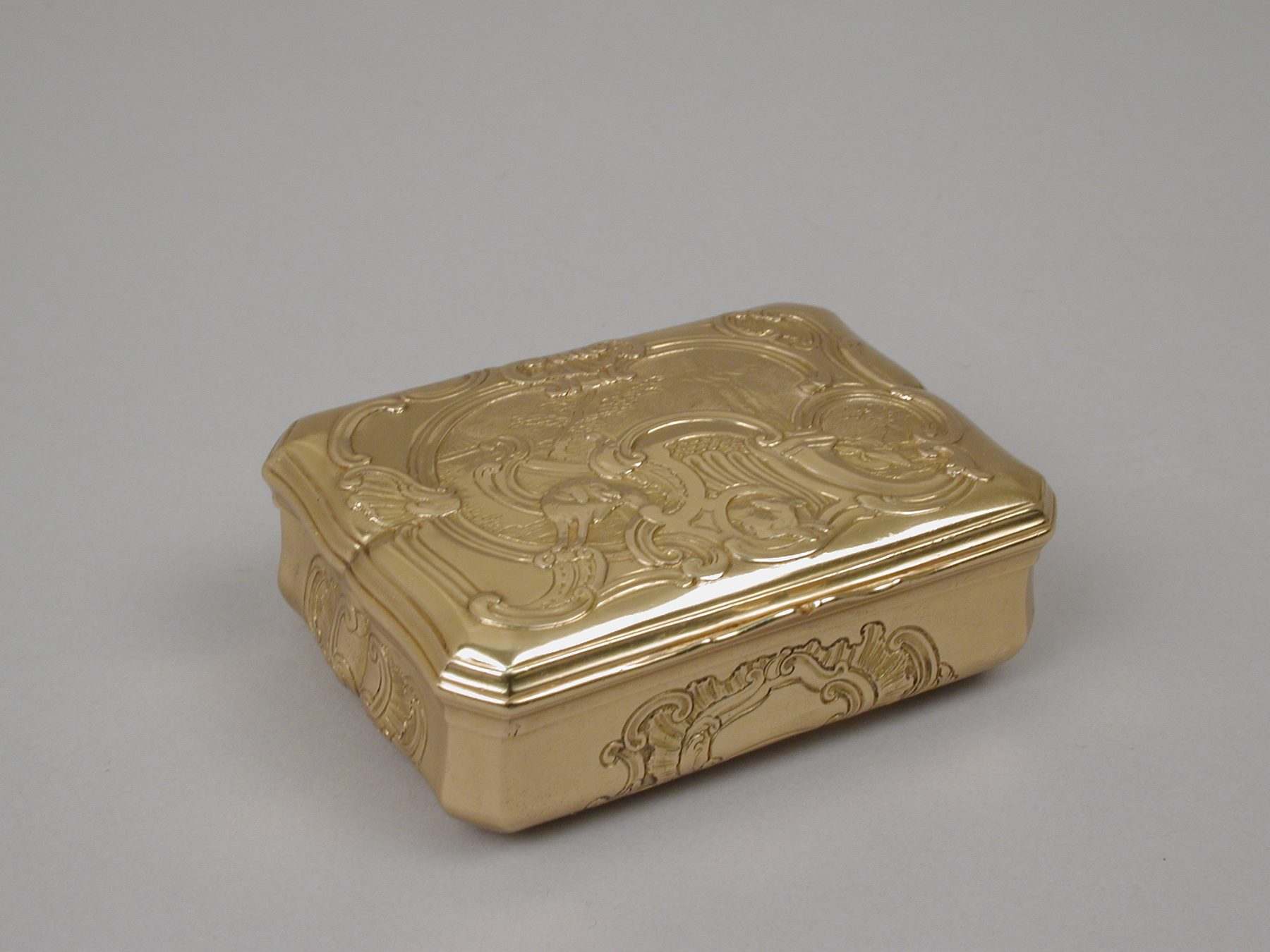
Every cleared house had something in it. In most houses it is a piece of silver in the sideboard and something small in the bureau: a watch, a medal group, a ring, a handful of gold coins.
Weigh the silver and check the scrap calculator for the floor. Check the marks against the hallmarks guide. Check the tin against the old coins guide and any medals against the medal guide. Then let the rest go.