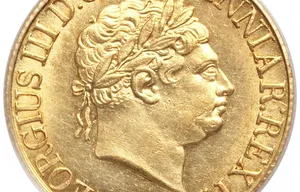
The number every offer is measured against
A gold sovereign holds 7.322 grams of fine gold. On 25 September 2026 the LBMA gold price was £3,216.67 a troy ounce, which is £103.42 a gram, so the metal in one sovereign was worth £757. A half sovereign held £379.
Nobody pays that. It is the line each offer sits below, and a seller who has worked it out on the morning of the sale can judge a price in ten seconds instead of taking somebody’s word for it.
Do the arithmetic on the day. Gold has moved a long way in two years, and a figure copied out of a guide written last month is the start of an argument rather than a fact. What a gold sovereign is worth sets out the specification the weight is checked against.
What lands in your account, route by route
The offer and the proceeds are different numbers, and they are furthest apart at a saleroom. This is one common-date sovereign, gold at £757, through the four routes a seller is realistically choosing between.
| Route | Gross | Charges | In your account | How long |
|---|---|---|---|---|
| Bullion dealer, published buy-back | £742 | none | £742 | Same day, or two days by insured post |
| Coin dealer over the counter | £719 | none | £719 | Same day |
| Jeweller or pawnbroker, priced as scrap gold | £659 | none | £659 | Same day |
| Coin auction, hammer £740 | £740 | £149 | £591 | Four to six weeks after a sale that is weeks away |
The saleroom deductions are 15 percent commission, VAT on the commission, a £5 lotting fee and insurance at 1.5 percent, the rates set out in the auctions guide. The hammer price there is an assumption for the arithmetic, not a record of a sale.
£742 against £591 is the whole case. A bullion coin consigned to a saleroom loses £151 to charges for the privilege of waiting two months.
The coin that belongs in a saleroom
The arithmetic reverses the moment a coin is worth more than its gold, because the charges are a percentage of a much larger number and the bidders are the people who pay the premium.
The test is a single comparison. On a £1,000 hammer a seller receives about £790 after commission, VAT and fees, while the buyer pays about £1,300. A dealer’s offer beats the saleroom only when it exceeds that £790, and a dealer has to buy low enough to resell at a profit on top. For a coin with a genuine premium the room wins, and it wins by more as the figure rises.
Which dates carry that premium is a short list: the George III issues of 1817 to 1820, the 1819, the low-mintage Victoria years, the 1917 London, and the scarce branch-mint combinations. Sovereigns by year places a date and a mint mark against it.
Sort the coins before you accept a price for the lot
A seller with twenty sovereigns in a bag is offered one price for the bag, and that price is set by the commonest coin in it. Sorting takes half an hour and is the only part of this that reliably makes money.
- Weigh each coin to 0.01 grams. A sovereign reads 7.99 and a half reads 3.99. Anything outside that goes aside.
- Read the date, and the letter in the exergue below the dragon if there is one.
- Put every George V and later London coin in one pile. That pile is bullion and sells by the coin.
- Everything from the premium list, everything with a branch-mint letter and everything still carrying full lustre goes in a second pile.
- Photograph the second pile, both faces, and ask a coin specialist before anyone weighs it.
Condition decides the second pile, and a coin cleaned to look better is worth its gold whatever the date. The rule is absolute: gold does not tarnish, so there is nothing on the surface worth removing.
Tax, VAT and the identification you will be asked for
Three pieces of paperwork come up, and none of them costs a private seller anything.
Capital gains tax. HMRC’s Capital Gains Manual states that “sovereigns minted in 1837 and later years and Britannia gold coins are currency but, like all sterling currency, are exempt because of TCGA92/S21 (1)(b)”. A gain on selling one is outside capital gains tax at any size. The exemption starts at 1837, so sovereigns of George III, George IV and William IV rely on the chattels exemption instead, which covers a disposal of £6,000 or less.
VAT. HMRC’s notice on gold treats a gold coin minted after 1800 as investment gold where it is at least 900 thousandths fine, is or has been legal tender in its country of origin, and is normally sold at no more than 180 percent of the value of the gold in it. A sovereign is 22 carat gold, comfortably above 900 thousandths, and a common date sells within a few percent of spot, so it sits inside that. Supplies of investment gold are exempt, so no VAT is added when you buy and none is taken out of what you are paid.
Identification. A business that accepts or makes cash payments of 10,000 euros or more for goods must register with HMRC as a high value dealer. Expect to show photo identification and proof of address for anything above a few coins, and expect payment by bank transfer. A dealer who asks for none of this on a five-figure sale is telling you something about how the rest of the business runs.
Where the coins came out of an estate, the figure belongs on form IHT407 at open market value at the date of death, and the IHT407 guide covers which box takes it.
Getting two prices in an afternoon
Bullion dealers publish a buy-back price for sovereigns on their own websites. That is the first quote, it takes a minute to find, and it moves with the gold price rather than with who is asking. The second comes from a coin dealer who is asked for a price per coin rather than a price for the bag, with the coins counted in front of them.
If the two quotes are within a few pounds of each other, the pile is bullion and the higher one is the answer. If a dealer offers noticeably more than spot for one particular coin, that coin belongs in the second pile and should go nowhere until a specialist has looked at it. The rest of the coins section covers what else in the same tin is worth separating out.